
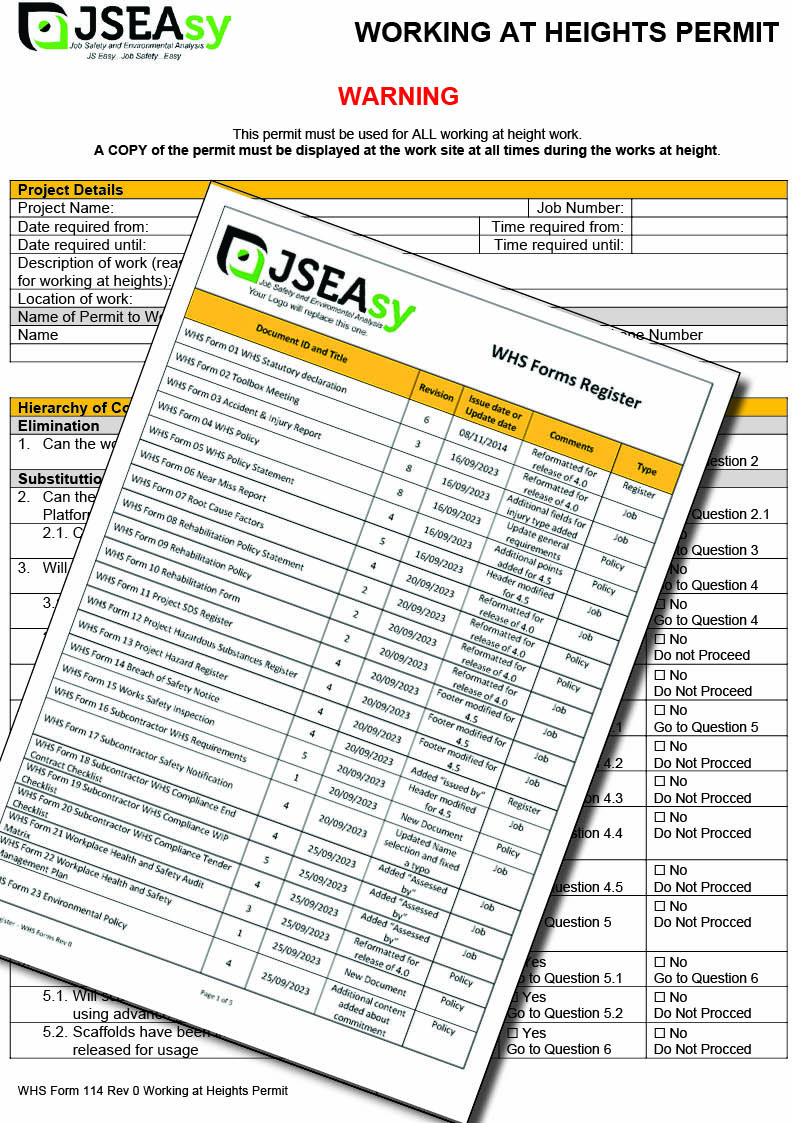


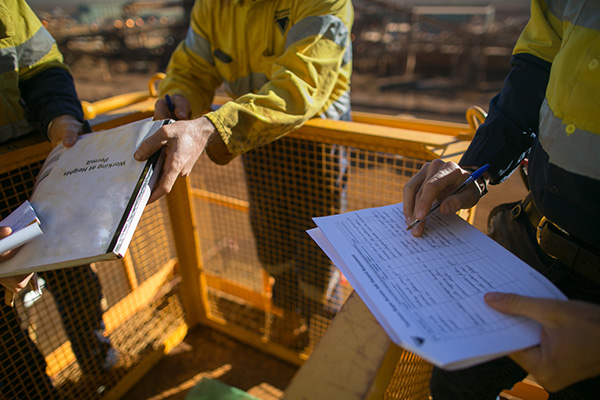
Working at Heights Permit – Editable Permit to Work (PTW) Template
A Working at Heights Permit is a critical safety control used to manage the risks of falls from height, falling objects, and unsafe access while performing work above ground level. Tasks such as roof work, scaffold use, ladder work, elevated work platforms, and structural installations present a high risk of serious injury or fatality if not properly controlled.
The JSEAsy Working at Heights Permit is a professionally developed, fully editable Permit to Work (PTW) template designed to help businesses formally authorise work at height, verify controls, and demonstrate compliance with Australian WHS legislation and recognised industry best practice.
What Is a Working at Heights Permit?
A Working at Heights Permit is a formal authorisation system that confirms:
Work at height has been properly planned and assessed
Fall prevention or fall protection controls are in place
Access systems are suitable and inspected
Workers are trained, competent, and authorised
Rescue arrangements are in place before work starts
The permit helps ensure height-related work is monitored, suspended, and closed out safely.
What’s Included in the JSEAsy Working at Heights Permit Template
This Working at Heights Permit template includes clearly structured sections to guide permit issuers, supervisors, and workers through the full permit process:
Description of work at height and work location
Height-related hazard identification
Fall prevention and fall arrest controls
Edge protection, guardrails, and covers
Ladders, scaffolds, and EWP checks
Anchor points and fall arrest system verification
Exclusion zones and dropped object controls
PPE requirements
Worker competency and authorisation checks
Weather and environmental conditions
Emergency and rescue arrangements
Permit issue, suspension, cancellation, and close-out
Authorisation and sign-off sections
The layout is practical, site-focused, and designed to reduce omissions and unsafe shortcuts.
Suitable Working at Heights Activities
This permit can be used for:
Roof installation and maintenance
Scaffold erection and dismantling
Elevated work platform (EWP) use
Ladder work and access systems
Structural steel and precast installation
Maintenance work above ground level
It is suitable for construction, maintenance, warehousing, manufacturing, and industrial environments.
Key Benefits
Helps prevent falls from height and serious injuries
Supports compliance with Australian WHS legislation and Codes of Practice
Confirms fall protection and rescue planning before work begins
Provides clear authorisation and accountability
Creates auditable safety records for inspections and investigations
Document Format & Customisation
Supplied as a fully editable Microsoft Word document
Easily customised with your company logo, site details, and procedures
Suitable for printing or digital completion
Can be adapted for site-specific or task-specific height work
How This Fits Into Your Safety System
The JSEAsy Working at Heights Permit integrates seamlessly with:
Used correctly, it forms a key part of a compliant work at heights management system.
Who This Template Is For
Construction and roofing contractors
Maintenance and facilities teams
Industrial and manufacturing operations
Warehousing and logistics operators
WHS managers and safety consultants
Download the JSEAsy Working at Heights Permit Today
Implement a structured, professional permit system for work at height using an editable template designed for real-world site conditions. Improve safety, accountability, and compliance when managing height-related risks.